

Industry Application of Flame Retardant Reflective Tape
2025-02-25
Ysmlite
ysmlite.com
Definition and Core Function Analysis of Flame Retardant Reflective Tape
Flame retardant reflective tape combines two key functions, reflective and flame retardant, and is designed to provide visibility and fire protection for high-risk industries. The core function of this tape is to first improve the visibility of workers in low-light and complex environments through its reflective effect, thereby avoiding accidents; secondly, it reduces the risk of fire through its flame retardant properties, and can quickly prevent the spread of flames when encountering a fire source, protecting the wearer from harm.
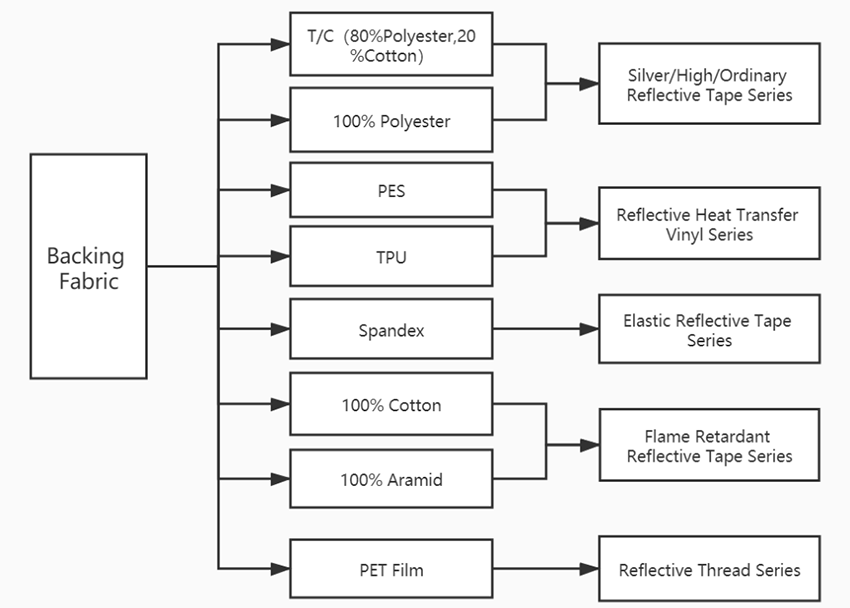
Fire retardant reflective tape of different materials have significant differences in performance and application. The main materials include polyester (PES), polyurethane (TPU), aramid (Aramid),etc. Each material has unique advantages in flame retardancy, durability and comfort, as follows:
- Polyester (PES): Flame retardant reflective tape made of polyester has high reflectivity and good weather resistance, and is widely used in fire protection, transportation and other fields. It has excellent high temperature resistance, is suitable for use in extreme environments, and is relatively economical.
- Polyurethane (TPU): Polyurethane materials have greater flexibility and wear resistance and are often used in areas that require high-strength compression and scratch resistance, such as the petrochemical and power industries. TPU materials also have a high balance of reflective and flame-retardant properties.
- Aramid: Aramid materials are the first choice for high-end flame-retardant reflective tapes, with excellent high temperature resistance and tensile strength. Suitable for firefighter uniforms, oil drilling workers' equipment and other occasions that require high-strength protection.
- T/C (polyester/spandex blend): This material has high elasticity and comfort, suitable for sports work clothes and some long-term wear clothing. It provides good visibility and basic flame retardant properties and is widely used in industries such as transportation and construction.
Each material of flame-retardant reflective tape can provide different levels of protection and is selected according to the needs of specific industries.
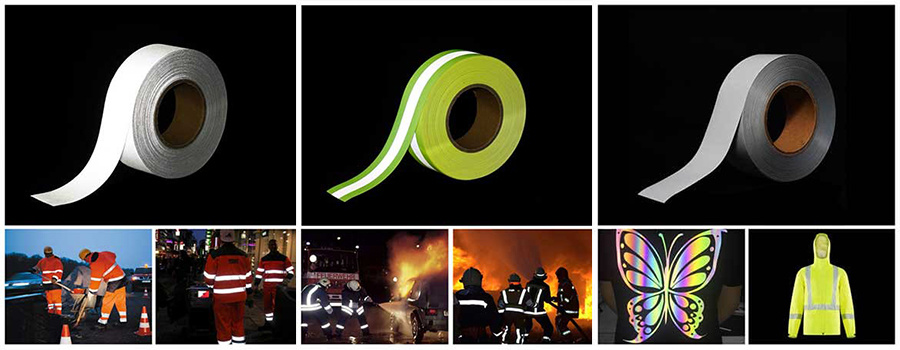
Key application areas: firefighting, power, petrochemical, transportation engineering
Firefighting
The working environment of firefighters is full of extreme dangers, and the application of flame-retardant reflective tape on fire uniforms is crucial. It not only provides high visibility in darkness and smoke, but also effectively prevents the spread of flames and reduces accidents. For example, during firefighting, flame-retardant reflective tape can help firefighters identify each other in low visibility conditions, while its flame-retardant properties ensure the safety of firefighters at the fire scene.
Firefighting requirements: The firefighting industry has extremely strict requirements for flame-retardant reflective tape, requiring it to withstand high temperatures (up to 1000°C) and withstand repeated washing, mechanical pulling, etc. Standard certifications such as NFPA 2112 and EN 20471 have specific requirements for the fire resistance and reflective effect of clothing.
Electricity
Workers in the power industry often work in environments such as high-voltage power facilities and substations, which are often accompanied by potential dangers such as sparks and electrical fires. Flame-retardant reflective tape not only provides workers with extremely high visibility, but also effectively prevents fires or electrical accidents. In this application, flame-retardant reflective tape made of TPU material is particularly popular because it is oil-resistant, high-temperature-resistant and has excellent electrical resistance.
Electricity requirements: The requirements of the power industry for flame-retardant reflective tapes are mainly concentrated in terms of high temperature resistance, acid and alkali corrosion resistance, and voltage resistance. Standards such as IEC 61140 and ASTM F1506 have strict requirements on the heat resistance and fire resistance of electrical safety clothing and materials.
Petrochemical
The petrochemical industry is one of the most important application areas for flame-retardant reflective tapes. Due to the high flammability of oil, natural gas, and chemicals, workers must wear clothing made of flame-retardant reflective tapes to ensure visibility in emergency situations and effectively prevent the spread of fire. Aramid reflective tapes are widely used in such high-risk environments due to their excellent flame retardancy and high temperature resistance.
Petrochemical requirements: The petrochemical industry has very demanding requirements for flame-retardant reflective tapes, requiring them to meet standards such as NFPA 70E and OSHA, and be able to withstand extreme high temperatures and oil erosion. The reflective performance is required to be at least 300cd/(lx.m²) and needs to pass the ISO 6330 washing standard.
Traffic Engineering
In areas such as highways, railways, and urban construction, workers need to wear safety clothing with flame-retardant reflective tape to ensure that they can be clearly identified in low light, at night, or in haze. Reflective tape not only provides high visibility, but also helps workers avoid collisions with vehicles in emergency situations.
Traffic Engineering Requirements: The requirements for flame-retardant reflective tape in the field of traffic engineering focus on reflective effects and comfort. Standards such as EN 471 and ANSI/ISEA 107 require that the tape has a high reflective coefficient to ensure visibility of workers in various environmental conditions, while also meeting certain flame-retardant standards to avoid injuries caused by contact with fire sources.
Differences in purchasing standards in different countries and regions
Globally, the purchasing standards for flame-retardant reflective tape vary from region to region, and buyers need to choose products that meet local standards based on the safety regulations in their region:
Europe and America: The purchasing standards in Europe and America are mainly based on strict safety certification, especially in high-risk industries such as fire protection and electricity. European EN 20471 and EN 533 standards require reflective materials to have a high reflectivity (at least 250cd/(lx.m²)). The US ANSI/ISEA 107 and NFPA 2112 standards also specify the performance indicators of flame-retardant reflective tapes, with both reflective and flame-retardant properties being the focus of attention.
Middle East: The market in the Middle East focuses on high temperature adaptability and chemical resistance for flame-retardant reflective tapes. The GCC (Gulf Cooperation Council) standard is similar to the international standard, but the requirements for high temperature resistance are more stringent, especially in the petrochemical industry, where reflective tapes must maintain their flame retardancy and reflective effects in high temperature environments.
Southeast Asia: Southeast Asia's requirements for reflective materials are slightly different from those in other regions, and are more based on ISO 9001 and ISO 14001, emphasizing product quality and environmental protection. The procurement standards of various countries are usually formulated based on international standards, but the specific details and technical specifications will be adjusted according to the regional environment.
Buyers can ensure that the selected products meet the specific requirements and standards of these regions by working with local certification bodies.

Industry demand trends: Global safety regulations upgrade drives market growth
With the increasing global attention to labor safety, fire safety and traffic safety, the flame retardant reflective tape market is showing a strong growth trend. Regulations in many countries and regions are constantly upgrading, and the requirements for work clothes, equipment and traffic safety signs are getting higher and higher. For example, the EU's EN 20471 has put forward higher requirements for reflective clothing for workers in high-risk industries, while the US NFPA 2112 standard has strengthened the flame retardancy regulations for firefighters' equipment. The upgrade of global safety regulations has not only promoted the demand for flame retardant reflective tapes, but also promoted the continuous improvement of production processes and technologies. The market size is expected to grow steadily in the future.
Industry scale forecast and technology upgrade direction in the next five years
According to the promotion of global safety standards and the growth of industry demand, the flame retardant reflective tape market is expected to grow by about 8%-10% in the next five years, especially in high-risk areas such as fire protection, electricity, petrochemicals, etc. The demand will gradually increase. In terms of technology, the research and development of flame-retardant reflective tape will focus more on the following directions:
- Intelligent reflective materials: Combined with sensor technology, the danger level of the working environment and the location of workers can be monitored in real time.
- Application of environmentally friendly materials: Use environmentally friendly and non-toxic flame-retardant chemicals to meet the needs of sustainable development.
- High-performance fabrics: Develop more durable and comfortable flame-retardant reflective materials to reduce the burden on the wearer.
Through continuous technological innovation and product optimization, flame-retardant reflective tape will continue to be an important part of safety protection in major industries in the next few years.

Related News

Reflective Webbing Factory: GB 8965 & Global Safety Standards
2026-10-08

Custom High Quality Luminous Film Factory
2026-09-09

Top 5 Flame Retardant Reflective Webbing Tape Manufacturer in Europe
2026-09-07
Messages
* Please be sure to leave your correct information so that we can contact you in time!
Contact us
Address: Wuli Industrial Zone, Jinjiang City, Fujian Province, China
Tel:+86 15980000890
E-mail:jerry@ysmlite.com
