

What Is PES and TPU Iron on Reflective Tape?
2024-07-17
Ysmlite
ysmlite.com

Comparison of core features and advantages of PES and TPU heat transfer reflective tapes
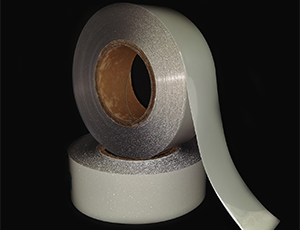
PES (polyester) heat transfer reflective tape
- Material characteristics
The PES substrate is based on high-strength polyester fiber, with excellent dimensional stability and high temperature resistance (temperature resistance can reach above 150°C), suitable for industrial scenes that require multiple high-temperature washing.
- Reflective performance
Using glass microbead reflective technology, the initial retroreflection coefficient (RA value) can reach above 500 cd/lx/m², which meets the EN ISO 20471 high visibility standard.
- Application advantages
Suitable for scenes such as firefighting clothing and petrochemical protective clothing that require chemical corrosion resistance and UV aging resistance, with a service life of up to 3-5 years.
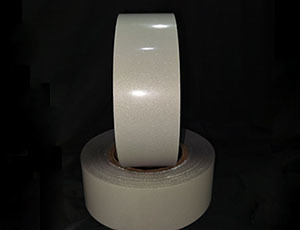
TPU (thermoplastic polyurethane) heat transfer reflective tape
- Material characteristics
The TPU substrate has super flexibility (elongation at break ≥400%), remains elastic in low temperature environments, and is suitable for high-dynamic sportswear.
- Reflective performance
Using micro-prismatic reflective technology, the RA value can reach 800 cd/lx/m², and the nighttime visual distance is increased by more than 30%.
- Application advantages
Widely used in cycling clothing, outdoor sports equipment and medical emergency clothing, with excellent hydrolysis resistance and a service life of 2-4 years in a humid environment.
Production process of heat transfer reflective tape
PES tape process
- Substrate pretreatment: Polyester fiber is plasma cleaned to improve surface adhesion.
- Coating composite: UV curing adhesive layer is applied and high refractive index glass beads (diameter 50-70μm) are implanted.
- High temperature shaping: 160°C hot pressing molding ensures stable combination of tape and release paper.
- Slitting detection: After laser slitting, pass the tensile test (≥50N/cm) and wash fastness test (level 5).
TPU tape process
- Melt extrusion: TPU particles are plasticized by a twin-screw extruder to form a 0.2mm uniform film layer.
- Micro-prismatic embossing: Use precision molds to emboss micro-prismatic structures at 120°C (unit size 0.2mm³).
- Adhesive lamination: Apply hot melt adhesive (melting point 90-110°C) and laminate with PET release film.
- Performance test: Verified by -30°C low temperature bending test and 50 machine washing cycles.

How to choose PES and TPU? 5 core decision-making dimensions
| Dimensions | PES recommended scenarios | TPU recommended scenarios |
| Temperature resistance | High temperature ironing/industrial cleaning environment | Normal or low temperature dynamic environment |
| Flexibility | Flat fabric (polyester/blended) | Elastic fabric (spandex/lycra) |
| Chemical resistance | Contact with oil/solvents | Wet/salt water environment |
| Cost control | Limited budget, long-term use | Short-term high-frequency replacement (such as competition clothing) |
| Reflective intensity | Medium-high brightness (road warning) | Ultra-high brightness (emergency rescue signs) |
Maintenance, storage and service life of heat transfer reflective tape
- Daily maintenance
- Cleaning specifications: Machine wash water temperature ≤40°C, avoid strong alkaline detergents, and prohibit bleach soaking.
- Ironing Guide:
- PES tape: Iron temperature ≤150°C, iron with a cloth, and keep pressure for 10-15 seconds.
- TPU tape: Temperature ≤130°C, use a steam iron to avoid direct contact.
- Storage conditions
- Temperature 10-30°C, humidity ≤60%, away from direct UV rays, lay flat to avoid curling and deformation.
- Release paper needs to be kept before use to prevent oxidation and failure of the adhesive surface.
- Service life
- PES tape: 3-5 years under normal use (RA value decay ≤20% after 50 washes).
- TPU tape: 2-4 years (elastic fatigue critical point is 1000 stretching cycles).
Service life and ironing application
Service life
- PES tape:
Under appropriate use and maintenance conditions, the service life of PES heat transfer reflective tape can usually reach 3-5 years or even longer, depending on the actual use environment and cleaning frequency.
- TPU tape:
Due to the material characteristics of TPU tape, under appropriate storage and use conditions, the service life can also reach about 3-5 years. Regular inspection and maintenance will help extend the life of the product.
Ironing operation guide
- Equipment requirements:
Choose an industrial ironing machine or household iron with precise temperature control function to ensure uniform temperature distribution.
- Temperature setting:
- According to the heat resistance of the tape material, set the appropriate ironing temperature:
- PES: The generally recommended temperature range is around 150℃~170℃.
- TPU: The temperature can be slightly higher, but it must follow the manufacturer's recommendations, usually between 160℃~180℃.
- Operation steps:
- Preheating equipment: Preheat the ironing equipment to the required temperature.
- Positioning tape: Attach the reflective tape accurately to the predetermined position of the clothing to ensure accurate positioning.
- Uniform pressure: Use an iron or heat press to uniformly press the tape for a certain period of time (usually 10-20 seconds) to make the tape tightly combined with the clothing.
- Cooling and shaping: After ironing, wait for it to cool naturally before subsequent processing or packaging to ensure that the pattern is firm and not easy to fall off.
PES and TPU lron on reflective tapes each have unique characteristics and advantages. For different usage requirements and environmental conditions, companies and buyers can make reasonable choices based on actual conditions.
- PES tape is suitable for occasions that require high reflective effect and wear resistance, with a simple process and clear patterns.
- TPU tape is more suitable for applications on complex curved surfaces and high temperature environments. With its flexibility and high adhesion, it provides more possibilities for clothing reflective design.
Related News

Reflective Webbing Factory: GB 8965 & Global Safety Standards
2026-10-08

Custom High Quality Luminous Film Factory
2026-09-09

Top 5 Flame Retardant Reflective Webbing Tape Manufacturer in Europe
2026-09-07
Messages
* Please be sure to leave your correct information so that we can contact you in time!
Contact us
Address: Wuli Industrial Zone, Jinjiang City, Fujian Province, China
Tel:+86 15980000890
E-mail:jerry@ysmlite.com
