

YSMLITE Glow Film Specified by DIN67510 Standard
2024-10-24
YSM
YSMLITE
YSMLITE's luminous film has passed the test of the German DIN67510 standard, which specifies the luminous properties, physical properties, chemical properties and color transparency of the luminous film in detail. The standard requires the luminous film to have high initial brightness and long afterglow time, which is suitable for emergency signs. Physical properties include a specific thickness range and flexibility to ensure adaptation to different applications. Chemical properties require corrosion resistance and weather resistance to adapt to various environments. Color and transparency regulations ensure the visibility of the luminous tape in different scenarios.

1. Luminous performance
Initial brightness
The DIN67510 standard has clear provisions for the initial brightness of the luminous film. Under a specific light intensity and exposure time, the initial brightness of the luminous film should reach a certain value. This provision ensures that the luminous film can provide sufficient visibility in the initial state.
For example, in safety sign applications, the initial brightness must be high enough to be clearly identified in a short time after the normal light disappears.
Afterglow time
The standard will strictly require the afterglow time of the luminous film. Afterglow time refers to the time that the luminous film continues to glow after the light stops.
This ensures that in an emergency (such as a power outage), people have enough time to evacuate based on the luminous signs.

2. Physical properties
Thickness
DIN67510 standard may specify the thickness range of luminous film. The appropriate thickness affects the flexibility, adhesion and luminous performance of the luminous film.
Thinner luminous films may be more suitable for pasting on some surfaces that require high flexibility, such as curved pipe surfaces; while thicker luminous films may perform better in terms of wear resistance and are suitable for ground signs that are often subjected to friction.
Flexibility
The standard may test and specify the flexibility of the luminous film.
This is very important for applying the luminous film to the surfaces of objects of different shapes, such as pasting the luminous film on the curved parts of the car interior or the surfaces of irregularly shaped safety equipment. Good flexibility can ensure its normal use.
3. Chemical properties
Corrosion resistance
Since the luminous film may be used in different environments, the standard may specify its corrosion resistance. For example, after a certain period of time (such as 24 hours) of contact with specific chemicals (such as common acid and alkali solutions, such as acidic solutions with a pH value of 3 and alkaline solutions with a pH value of 10), the luminous properties and appearance of the luminous film should not change significantly.
This is very critical when using luminous films in some chemical sites or outdoor environments where they may be exposed to chemical pollutants.
Weather resistance
The DIN67510 standard may require that the luminous film have certain weather resistance. This includes that the luminous properties, physical properties (such as flexibility, adhesion, etc.) and appearance (such as color, transparency, etc.) of the luminous film should change within the allowable range after a certain period of time (such as 1000 hours) under different temperature ranges (such as 20°C to +60°C), humidity ranges (such as relative humidity 10% 90%) and ultraviolet irradiation conditions.
For outdoor luminous signs, such as safety signs on the exterior walls of buildings or road signs, good weather resistance is the key to ensure their long-term and effective use.
4. Color and transparency
Color
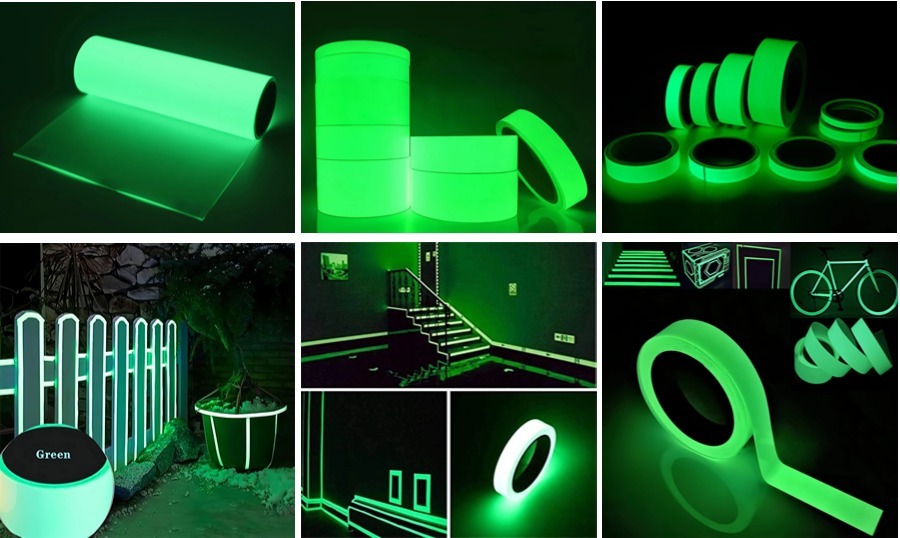
The standard may have provisions for the color of the luminous film, and may list the allowed color range or specific standard colors. For example, for luminous films for certain specific purposes, such as signs in medical facilities, it may be specified as green luminous film, and there is a clear range requirement for the color coordinates of green.
Luminous films of different colors may have different visibility effects in different application scenarios. For example, yellow luminous film may be more eye-catching than blue luminous film in low-light environments.
Transparency
If the luminous film has transparency requirements, the standard may specify the numerical range of its transparency. For example, for some transparent materials (such as transparent plastic plates, etc.) that need to be covered with luminous film on the surface while ensuring a certain degree of visibility, the transparency of the luminous film should not be less than [X]%.
Related News

Reflective Webbing Factory: GB 8965 & Global Safety Standards
2026-10-08

Custom High Quality Luminous Film Factory
2026-09-09

Top 5 Flame Retardant Reflective Webbing Tape Manufacturer in Europe
2026-09-07
Messages
* Please be sure to leave your correct information so that we can contact you in time!
Contact us
Address: Wuli Industrial Zone, Jinjiang City, Fujian Province, China
Tel:+86 15980000890
E-mail:jerry@ysmlite.com
